
How does artificial intelligence improve field operations for a technical service company?

Every business is an expanding universe moving at its own pace. In day-to-day operations, a company's vision and purpose translate into concrete actions: a timely service visit, an accurate on-site diagnosis, or the proactive maintenance of a valuable asset. When processes flow with clarity and structure, daily work stops feeling like an endless race against the clock and becomes the ideal space to deliver real value.
Today's technological advances offer an extraordinary opportunity to transform how we manage field operations. Integrating smart tools strategically brings order to complex workflows, giving people the clarity and headspace they need to focus on what they do best: solving problems, creating value, and delivering great work.
The Evidence of an Ongoing Transformation
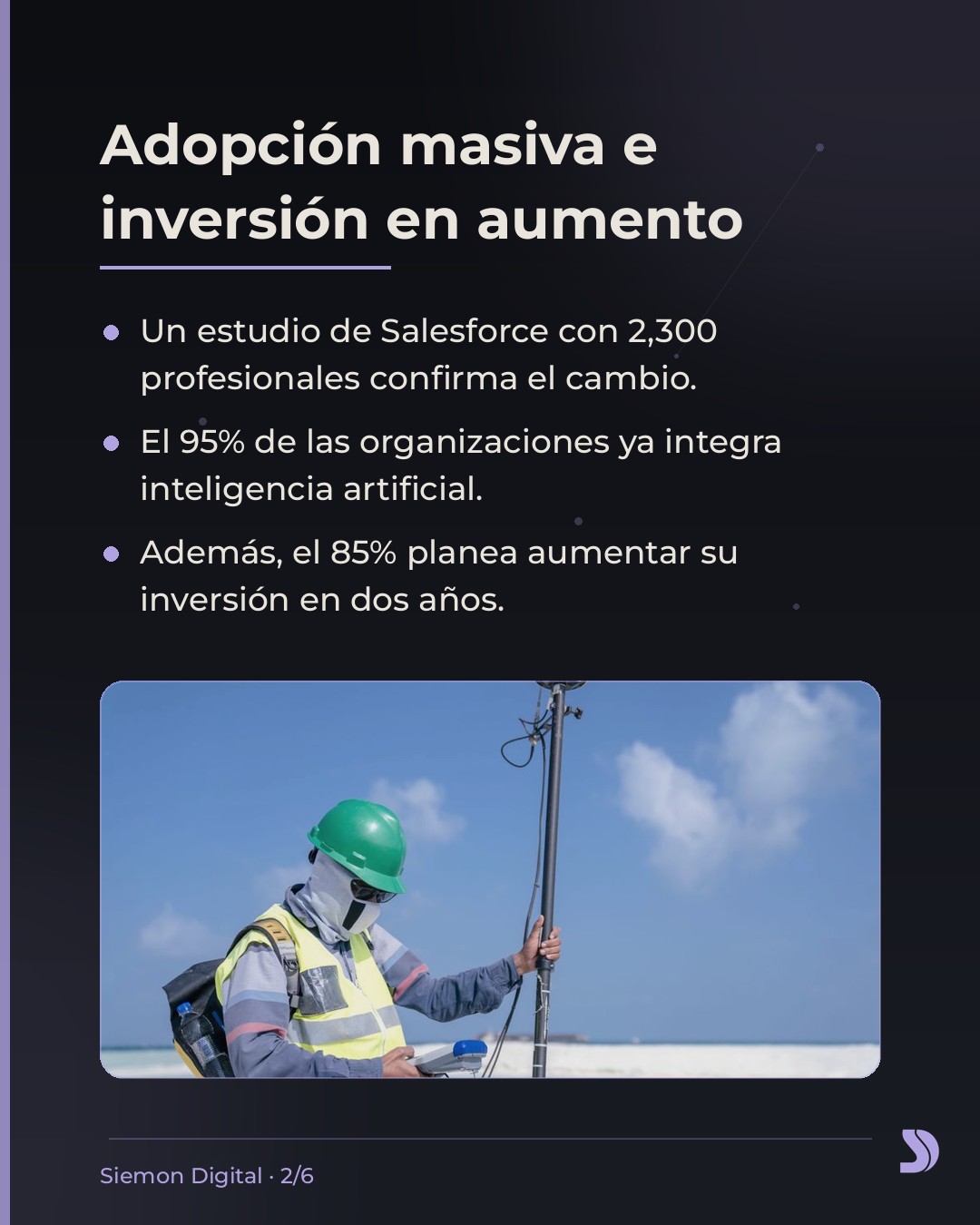
The positive impact of these tools on daily operations is already clear across multiple industries. A recent report published by ZDNet AI reveals that 95% of field service organizations have already integrated artificial intelligence solutions into their workflows. This benchmark highlights how adopting purposeful technology strengthens operational performance.
The study shows measurable increases in customer satisfaction and revenue, driven primarily by higher first-time fix rates. When a field technician has precise information at the exact moment they need it, excellence becomes second nature. This proves that technology, when applied strategically, acts as a true force multiplier for human talent.
Operational Transformation: Purpose-Driven Freedom
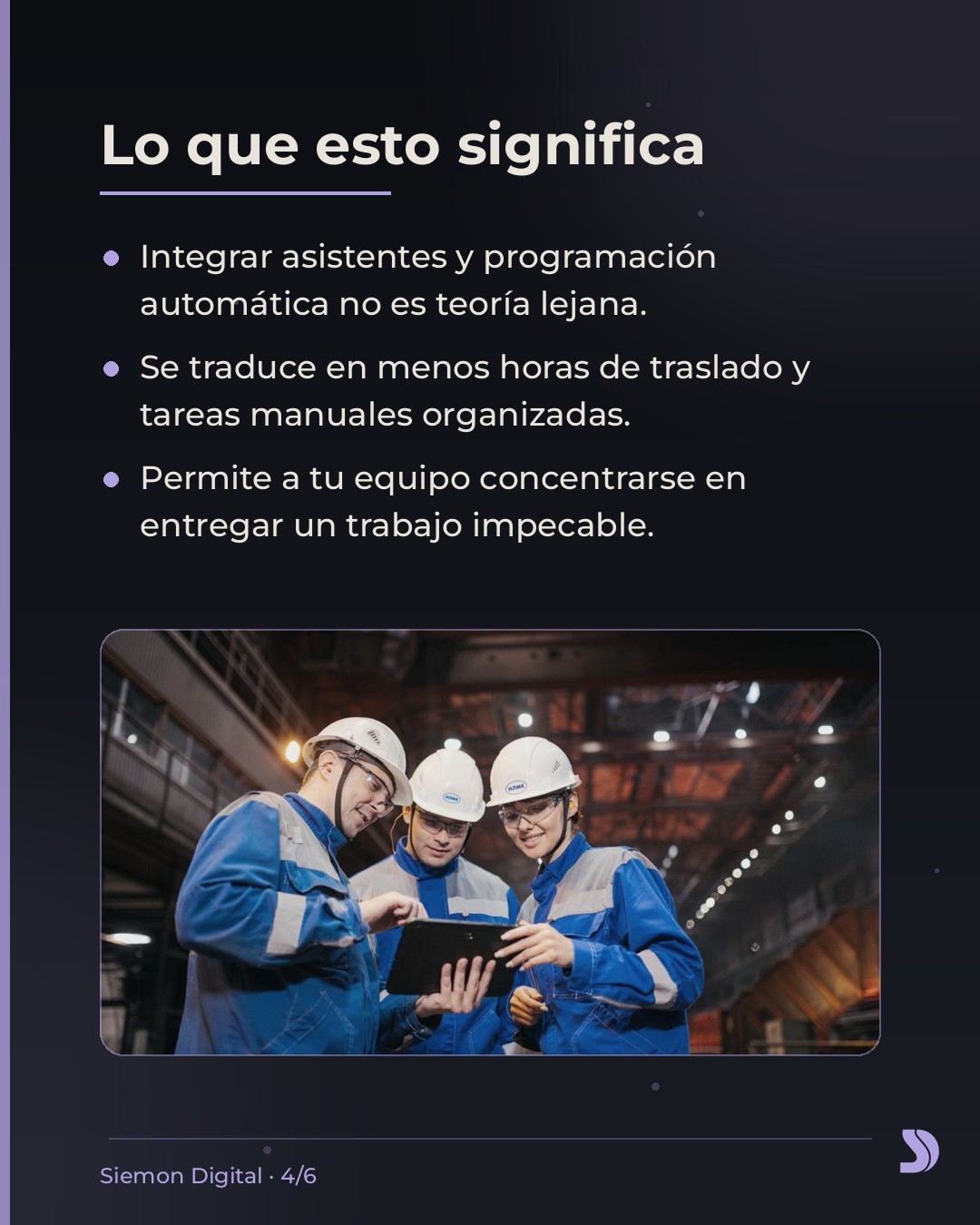
Every operational challenge holds the key to a stronger, more organized version of your business. The goal of integrating automation and artificial intelligence is to free people from repetitive tasks, opening the door to work driven by focus and purpose.
There are practical ways to bring this vision into your daily operations:
- Process automation: Connecting your scheduling system with inventory and billing eliminates manual copy-pasting entirely. Real-time updates ensure field teams leave with the right parts and clear instructions every time.
- Assistants and applied AI: Internal AI agents allow specialists to pull up complete equipment histories or lengthy technical manuals in seconds via voice or text prompts, giving them precise answers before starting a job.
- Custom software and systems: Building a tailored command center or client portal provides complete visibility for both management and clients. A custom dashboard centralizes visit progress, service times, and digital sign-offs.
- Document and data management: Turning piles of scattered field reports into structured data makes it easy to spot recurring failure patterns and schedule preventive maintenance with pinpoint accuracy.




The Strategic Vision: Seeing What Is Hidden in Plain Sight
True operational growth happens when we learn to look at the deep structure of our processes. What looks like an isolated delay in service delivery is often just a bottleneck in data flow. By taking a strategic approach, we can realign workflows so information moves smoothly from the head office straight to technicians in the field.
Every company follows a unique path. A solo practitioner might just need a smart assistant to manage visit schedules automatically, while a growing business benefits from full integration between its CRM and operational teams. The key is designing the exact solution for your specific stage, helping you achieve in months what used to take years of manual trial and error.
Unlock Your Organization's Potential
When technology is built to support people and simplify their day-to-day work, operations become agile, smooth, and highly productive. It is time to put advanced tools to work for your vision and let your business reach its full potential.
If you want to identify the leverage points in your processes and build a tech roadmap tailored to your team, I invite you to schedule a free DIAGNOSTIC SESSION. Together, we will bring order and structure to your ideas to amplify your organization's potential.
Frequently asked questions
How widespread is AI adoption in field services according to recent studies?
A report by ZDNet AI found that 95% of field service organizations already use some form of artificial intelligence integrated into their daily operations. The same study links this progress to measurable gains in customer satisfaction and revenue, driven primarily by higher first-time fix rates.
How does automation help field technicians on site?
When scheduling is integrated with inventory and invoicing, manual data entry disappears because everything updates in real time, ensuring technicians head out with the right parts and clear details from the start. An internal assistant also lets specialists pull up full equipment histories or lengthy technical manuals in seconds by voice or text before starting a job.
What value does a dedicated command center bring to a field service company?
A custom-built portal or command center provides management and clients with full visibility into operations through a dashboard tracking visit progress, response times, and digital sign-offs. Consolidating previously scattered reports in one place also helps identify recurring failure patterns and schedule preventive maintenance with greater accuracy.